Visual designs are a crucial aspect of any business, as they help to convey the message and create a lasting impression on the audience. Effective visual designs can make a significant difference in the way a product or service is perceived. By incorporating the right design elements, businesses can create a strong brand identity.
Visual designs encompass a wide range of aspects, including color theory, typography, and layout principles. A good understanding of these elements is essential for creating designs that are both aesthetically pleasing and effective. Visual designs can be used in various forms of media, from print to digital, and can be tailored to suit different audiences and purposes.
📋 Table of Contents
Understanding Visual Designs
Visual designs are a form of communication that uses visual elements to convey a message. They can be used to create a brand identity, promote a product or service, or simply to convey information. Visual designs can take many forms, including logos, brochures, websites, and social media graphics.
A good visual design should be able to capture the audience’s attention and convey the message effectively. It should also be consistent with the brand’s overall identity and messaging. Visual designs can be used to create an emotional connection with the audience, making them more likely to engage with the brand.
- Clarity and simplicity are key elements of effective visual designs.
- Consistency is essential for creating a strong brand identity.
- Visual designs should be tailored to the target audience and purpose.
Principles of Visual Designs
🔗 Helpful Resources
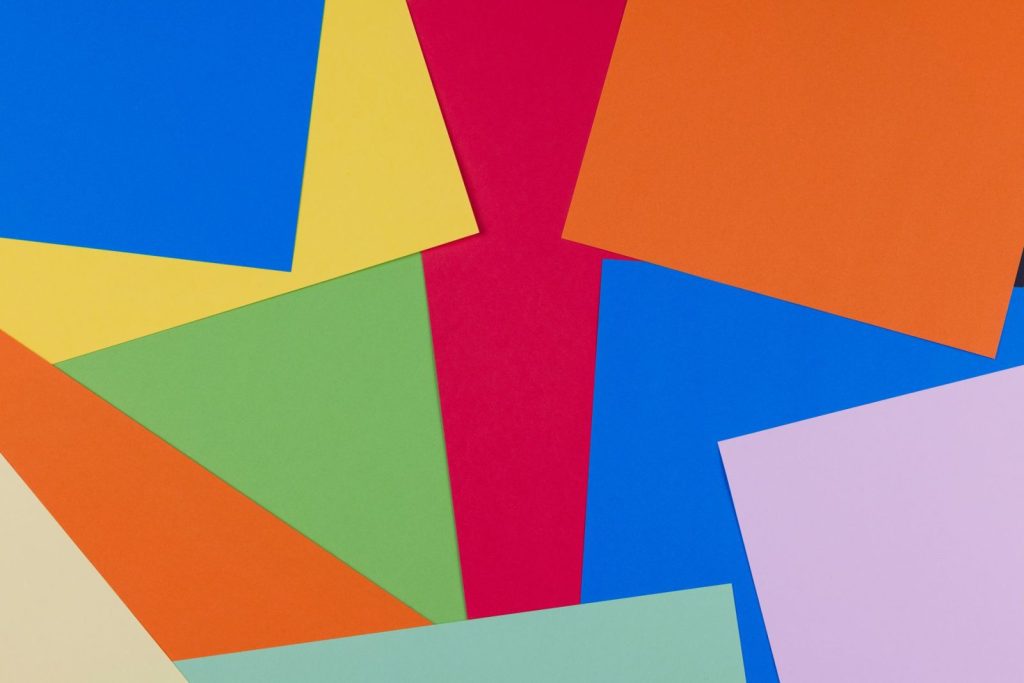
There are several principles of visual designs that should be followed to create effective designs. These include balance, contrast, emphasis, movement, pattern, unity, and white space. Balance refers to the arrangement of visual elements to create a sense of stability and harmony.
Contrast is used to create visual interest and draw attention to specific elements. Emphasis is used to create a focal point and guide the audience’s attention. Movement and pattern are used to create a sense of energy and texture. Unity is used to create a sense of coherence and harmony.
- Balance and contrast are essential for creating visual interest.
- Emphasis and movement can be used to create a sense of energy.
- Pattern and unity can be used to create a sense of texture and coherence.
Color Theory in Visual Designs
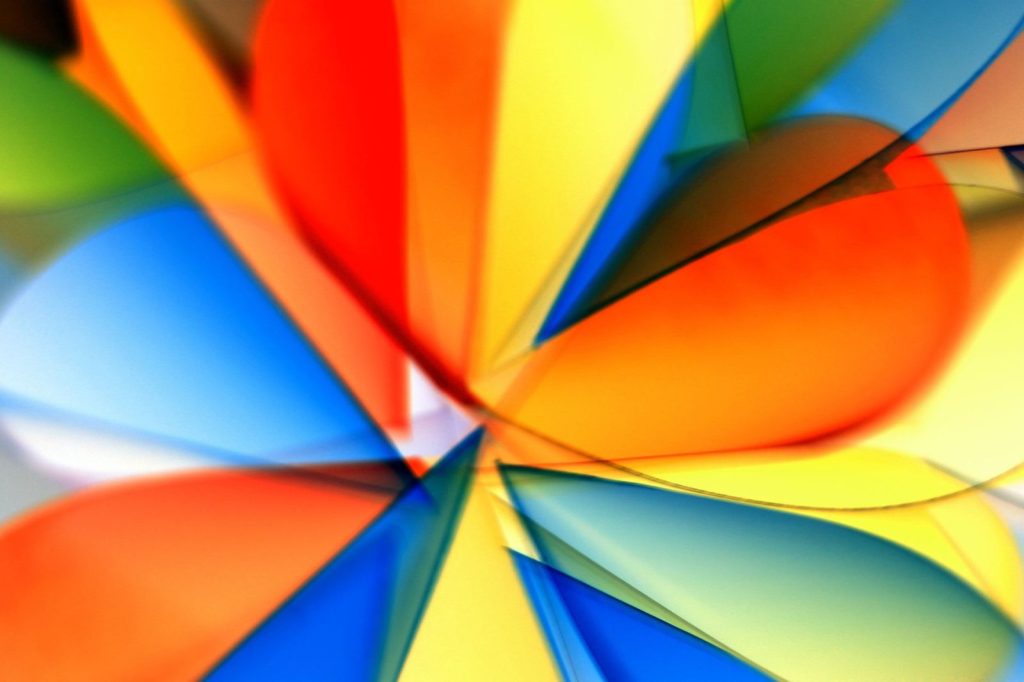
Color theory is a crucial aspect of visual designs, as colors can evoke emotions and convey messages. Different colors can be used to create different moods and atmospheres, and can be used to create a sense of harmony and contrast. Visual designs that incorporate color theory effectively can create a lasting impression on the audience.
Colors can be used to create a sense of warmth or coolness, and can be used to create a sense of energy or calmness. Visual designs that use color theory effectively can also create a sense of depth and dimension. By using different colors and shades, designers can create a sense of hierarchy and emphasis.
- Colors can be used to create a sense of warmth or coolness.
- Colors can be used to create a sense of energy or calmness.
- Colors can be used to create a sense of depth and dimension.
Typography in Visual Designs
Typography is another essential aspect of visual designs, as it can be used to convey messages and create a sense of personality. Different fonts and typography styles can be used to create different moods and atmospheres, and can be used to create a sense of harmony and contrast. Visual designs that incorporate typography effectively can create a lasting impression on the audience.
Typography can be used to create a sense of elegance or playfulness, and can be used to create a sense of sophistication or friendliness. Visual designs that use typography effectively can also create a sense of hierarchy and emphasis. By using different font sizes and styles, designers can create a sense of balance and harmony.
- Typography can be used to create a sense of elegance or playfulness.
- Typography can be used to create a sense of sophistication or friendliness.
- Typography can be used to create a sense of hierarchy and emphasis.
Best Practices for Visual Designs
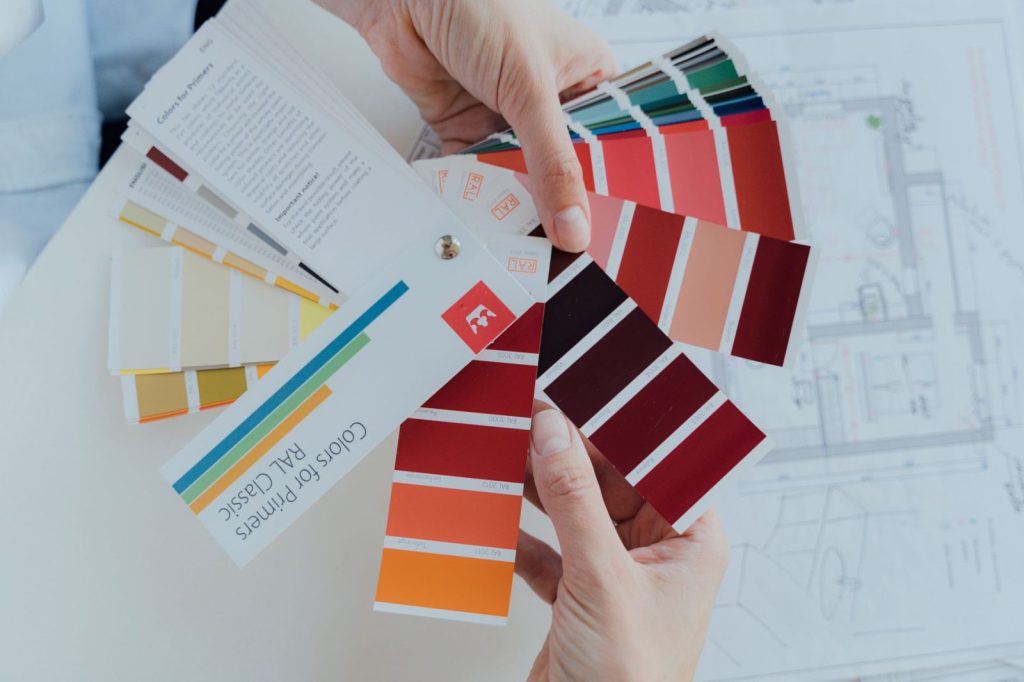
There are several best practices for visual designs that should be followed to create effective designs. These include keeping it simple, using high-quality images, and testing and iterating. Keeping it simple is essential for creating designs that are easy to understand and navigate.
Using high-quality images is essential for creating designs that are visually appealing and engaging. Testing and iterating is essential for creating designs that are effective and meet the audience’s needs. By following these best practices, designers can create visual designs that are effective and meet the audience’s needs.
- Keeping it simple is essential for creating effective designs.
- Using high-quality images is essential for creating visually appealing designs.
- Testing and iterating is essential for creating effective designs.
Visual designs are a crucial aspect of any business, and can be used to create a strong brand identity and convey messages effectively. By incorporating the right design elements, including color theory and typography, businesses can create designs that are both aesthetically pleasing and effective.
By following the principles of visual designs and best practices, designers can create designs that meet the audience’s needs and create a lasting impression. Visual designs can be used in various forms of media, from print to digital, and can be tailored to suit different audiences and purposes. Effective visual designs can make a significant difference in the way a product or service is perceived.