Minimalist design is a powerful approach to create clean and intuitive interfaces, enhancing user experience and driving engagement. By stripping away unnecessary elements, designers can create a sense of clarity and focus. This approach has been widely adopted in various fields, from architecture to product design.
The concept of minimalist design has been around for decades, but its application in digital design is relatively recent. With the rise of mobile devices and the need for simple, easy-to-use interfaces, minimalist design has become a essential tool for designers. By understanding the principles of minimalist design, designers can create interfaces that are both beautiful and functional.
📋 Table of Contents
Understanding the Principles of Minimalist Design

Minimalist design is based on a set of principles that aim to reduce complexity and enhance usability. One of the key principles is to remove unnecessary elements, such as clutter and visual noise. By doing so, designers can create a sense of calm and focus, allowing users to navigate the interface with ease.
Another important principle is to use negative space effectively. Negative space, also known as white space, refers to the empty space between and around elements. By using negative space wisely, designers can create a sense of balance and harmony, making the interface more visually appealing.
- Remove unnecessary elements
- Use negative space effectively
- Focus on typography and color
Applying Minimalist Design Principles to Improve User Experience
🔗 Helpful Resources

By applying minimalist design principles, designers can create interfaces that are intuitive and easy to use. One of the key benefits is that minimalist design reduces cognitive load, allowing users to focus on the task at hand. Additionally, minimalist design can improve navigation, making it easier for users to find what they are looking for.
Minimalist design can also enhance the overall aesthetic of an interface, making it more visually appealing. By using simple, clean lines and a limited color palette, designers can create a sense of sophistication and elegance. Furthermore, minimalist design can improve accessibility, making it easier for users with disabilities to navigate the interface.
The Role of Color in Minimalist Design

Color plays a crucial role in minimalist design, as it can greatly impact the overall aesthetic and usability of an interface. A limited color palette is often used in minimalist design, with a focus on neutral colors such as black, white, and gray. These colors provide a clean and simple background, allowing other elements to take center stage.
Accent colors can also be used to add visual interest and draw attention to specific elements. However, it is essential to use accent colors sparingly, as too many colors can clutter the interface and undermine the principles of minimalist design. By using color effectively, designers can create a sense of balance and harmony, enhancing the overall user experience.
Best Practices for Implementing Minimalist Design

Implementing minimalist design requires a thoughtful and intentional approach. One of the best practices is to start with a simple, clean design and gradually add elements as needed. This approach helps to avoid clutter and ensures that each element serves a purpose.
Another best practice is to use typography effectively, selecting fonts that are clean, simple, and highly legible. Typography can greatly impact the overall aesthetic of an interface, and a well-chosen font can enhance the user experience. Additionally, designers should test and iterate on their design, gathering feedback from users to ensure that the interface is intuitive and easy to use.
Common Challenges and Misconceptions About Minimalist Design
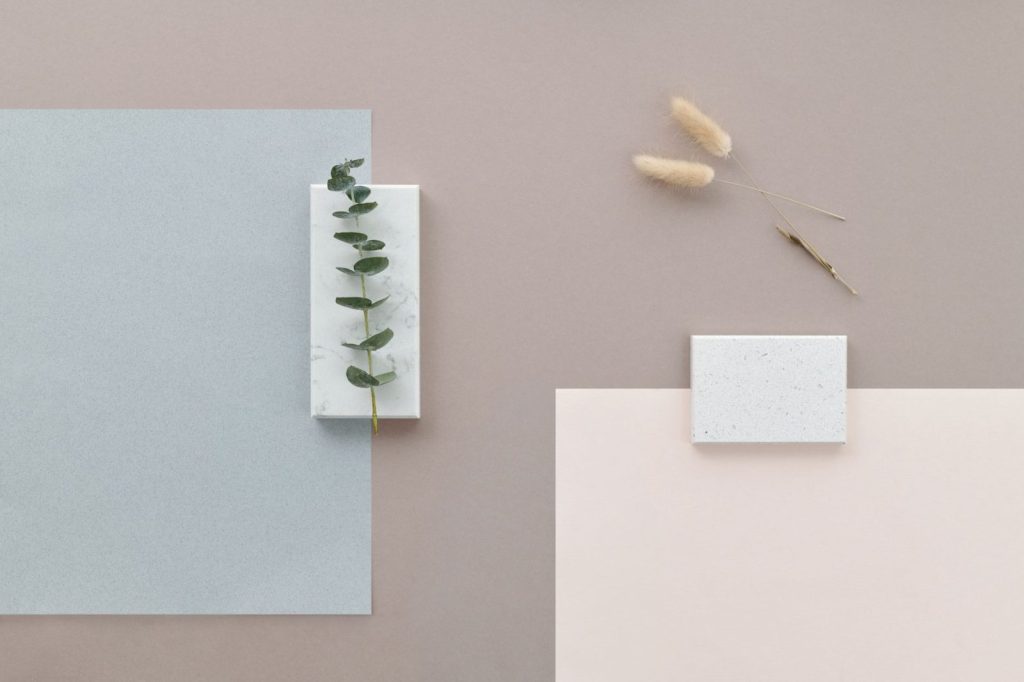
Despite its many benefits, minimalist design can be challenging to implement, and there are several common misconceptions about this approach. One of the most common misconceptions is that minimalist design is boring or lacks creativity. However, this is not the case, as minimalist design requires a great deal of creativity and intentionality.
Another challenge is that minimalist design can be difficult to balance with functionality, as removing elements can sometimes compromise the usability of an interface. However, by carefully considering the needs of users and the goals of the interface, designers can create a balance between simplicity and functionality. By understanding the principles and best practices of minimalist design, designers can overcome these challenges and create interfaces that are both beautiful and effective.
In conclusion, minimalist design is a powerful approach to creating clean and intuitive interfaces, enhancing user experience and driving engagement. By understanding the principles and best practices of minimalist design, designers can create interfaces that are both beautiful and functional.
Ultimately, the key to successful minimalist design is to strike a balance between simplicity and functionality, creating an interface that is easy to use and visually appealing. By doing so, designers can create a sense of clarity and focus, enhancing the overall user experience and driving engagement.
Frequently Asked Questions
What is the main goal of minimalist design?
The main goal of minimalist design is to create a clean and intuitive interface that enhances user experience and drives engagement. By removing unnecessary elements, designers can create a sense of clarity and focus, allowing users to navigate the interface with ease. This approach has been widely adopted in various fields, from architecture to product design.
How does minimalist design improve user experience?
Minimalist design improves user experience by reducing cognitive load, making it easier for users to focus on the task at hand. Additionally, minimalist design can improve navigation, making it easier for users to find what they are looking for. By using simple, clean lines and a limited color palette, designers can create a sense of sophistication and elegance.
What are the key principles of minimalist design?
The key principles of minimalist design include removing unnecessary elements, using negative space effectively, and focusing on typography and color. By applying these principles, designers can create interfaces that are intuitive and easy to use, with a sense of balance and harmony.
Can minimalist design be used for complex interfaces?
Yes, minimalist design can be used for complex interfaces. While it may seem counterintuitive, minimalist design can actually help to simplify complex interfaces, making them easier to use and navigate. By removing unnecessary elements and using negative space effectively, designers can create a sense of clarity and focus, even in complex interfaces.
How can I apply minimalist design principles to my existing design?
To apply minimalist design principles to your existing design, start by removing unnecessary elements and simplifying your layout. Use negative space effectively, and focus on typography and color to create a sense of balance and harmony. Test and iterate on your design, gathering feedback from users to ensure that the interface is intuitive and easy to use. By doing so, you can create a minimalist design that is both beautiful and effective.