Eco Friendly Design principles are becoming increasingly important in today’s world, where environmental concerns are at the forefront of everyone’s minds. As consumers become more aware of the impact of their purchasing decisions, companies are starting to take notice and adapt their design strategies to be more sustainable. By incorporating eco-friendly design elements, businesses can reduce their environmental footprint and appeal to the growing demographic of environmentally conscious consumers.
The benefits of eco-friendly design extend beyond just the environmental impact, as it can also have a positive effect on a company’s bottom line. By reducing waste and using sustainable materials, companies can save money on production costs and improve their brand reputation. Additionally, eco-friendly design can also lead to increased customer loyalty and retention, as consumers are more likely to support businesses that share their values. With the rise of social media, it’s easier than ever for consumers to research and support companies that prioritize sustainability.
📋 Table of Contents
Introduction to Sustainable Design
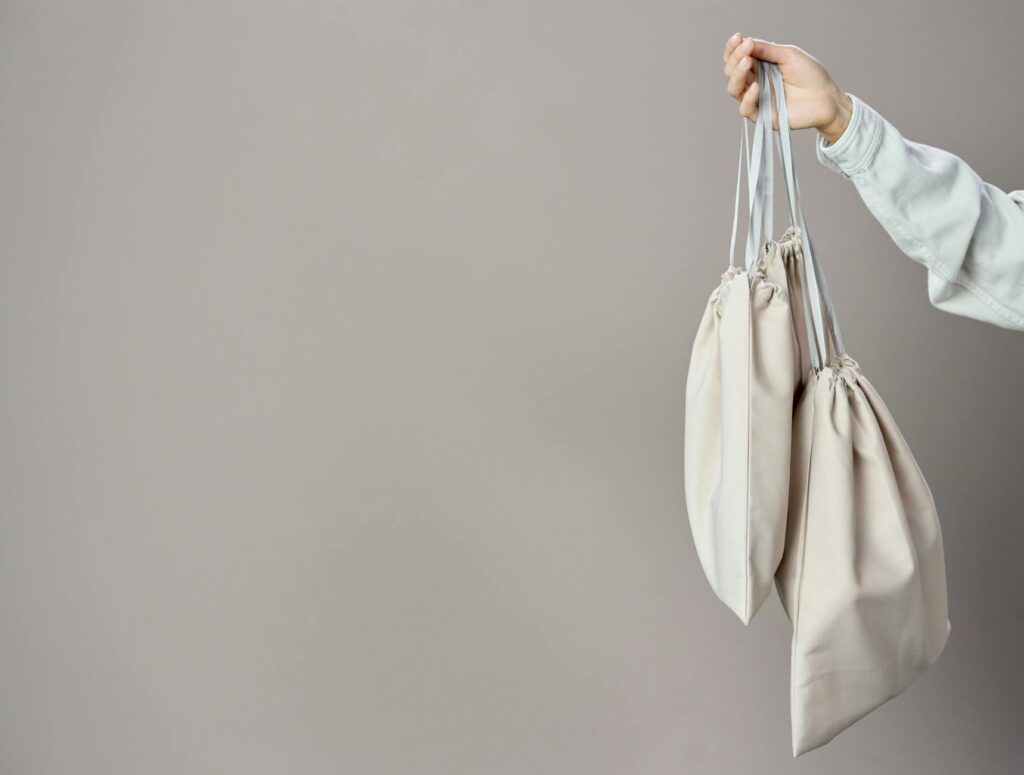
Eco Friendly Design is an approach to design that prioritizes sustainability and reduces environmental impact. This can be achieved through the use of eco-friendly materials, minimalism, and design for recyclability and reusability. By incorporating these principles into their design strategy, companies can reduce their environmental footprint and improve their brand reputation.
Sustainable design is not just about the environment, it’s also about social responsibility and economic viability. Companies that prioritize sustainability are more likely to attract top talent and improve customer loyalty. Additionally, sustainable design can also lead to cost savings and improved efficiency, making it a win-win for businesses and the environment.
- Reduced environmental impact
- Improved brand reputation
- Cost savings and improved efficiency
The Importance of Eco Friendly Materials
🔗 Helpful Resources

Eco Friendly Design starts with the materials used in production. By choosing sustainable materials, companies can reduce their environmental footprint and improve the overall sustainability of their products. This can include materials such as recycled plastics, sustainable wood, and organic cotton.
The use of eco-friendly materials can also have a positive impact on human health. Many traditional materials used in design contain toxic chemicals and pollutants that can have negative health effects. By switching to sustainable materials, companies can improve the health and wellbeing of their customers and employees.
- Recycled plastics
- Sustainable wood
- Organic cotton
Designing for Recyclability and Reusability
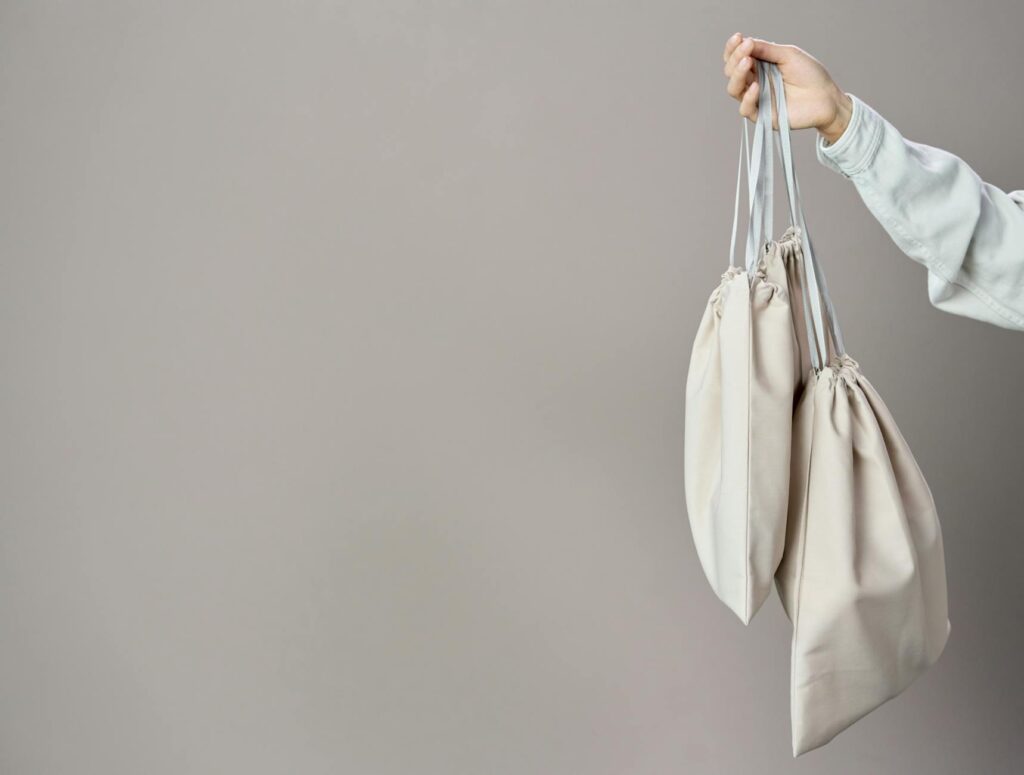
Eco Friendly Design is not just about the materials used, but also about the design itself. By designing products for recyclability and reusability, companies can reduce waste and improve the overall sustainability of their products. This can include design elements such as modular construction, easy disassembly, and minimal packaging.
Designing for recyclability and reusability requires a holistic approach to design, taking into account the entire lifecycle of the product. This includes considering the production process, distribution, use, and end-of-life. By designing with the entire lifecycle in mind, companies can create products that are more sustainable and have a reduced environmental impact.
- Modular construction
- Easy disassembly
- Minimal packaging
The Role of Minimalism in Eco Friendly Design

Eco Friendly Design often incorporates elements of minimalism, which can help reduce waste and improve sustainability. By using minimal materials and design elements, companies can create products that are more efficient and have a reduced environmental impact.
Minimalism can also have a positive impact on the user experience, as it can help to reduce clutter and improve usability. By focusing on the essential elements of a product, companies can create designs that are more intuitive and easy to use. This can lead to increased customer satisfaction and loyalty.
- Reduced material usage
- Improved usability
- Increased customer satisfaction
Implementing Eco Friendly Design in Your Business
Implementing Eco Friendly Design principles in your business can have a significant impact on your environmental footprint and bottom line. By incorporating sustainable materials, designing for recyclability and reusability, and embracing minimalism, companies can reduce waste and improve efficiency.
To get started with eco-friendly design, companies can conduct a sustainability audit to identify areas for improvement. This can include assessing material usage, energy consumption, and waste management. By prioritizing sustainability and making changes to their design strategy, companies can improve their brand reputation and attract environmentally conscious consumers.
- Conduct a sustainability audit
- Prioritize sustainable materials
- Design for recyclability and reusability
In conclusion, Eco Friendly Design is an important approach to design that prioritizes sustainability and reduces environmental impact. By incorporating eco-friendly materials, designing for recyclability and reusability, and embracing minimalism, companies can improve their brand reputation and attract environmentally conscious consumers.
By making the switch to eco-friendly design, companies can not only reduce their environmental footprint but also improve their bottom line. With the growing demand for sustainable products and services, it’s never been more important for businesses to prioritize eco-friendly design and make a positive impact on the environment.