AI Graphics revolution is changing the face of the design industry, with new tools and software emerging every day. AI Graphics has made it possible for designers to create complex designs with ease and speed. The use of AI Graphics has opened up new avenues for designers to explore and express their creativity.
The impact of AI Graphics on the design industry cannot be overstated, as it has transformed the way designers work and create. AI Graphics has enabled designers to automate repetitive tasks, focus on high-level creative decisions, and produce high-quality designs quickly. With AI Graphics, designers can now explore new styles, experiment with different techniques, and push the boundaries of what is possible.
📋 Table of Contents
Introduction to AI Graphics

AI Graphics refers to the use of artificial intelligence and machine learning algorithms to create and edit visual content. AI Graphics has been used in various fields, including graphic design, animation, and video production. The use of AI Graphics has enabled designers to create complex designs, such as 3D models and animations, with ease and speed.
The introduction of AI Graphics has also enabled designers to automate repetitive tasks, such as color correction and image resizing. AI Graphics has also made it possible for designers to focus on high-level creative decisions, such as concept development and design strategy. With AI Graphics, designers can now explore new styles, experiment with different techniques, and push the boundaries of what is possible.
- Automating repetitive tasks
- Enabling high-level creative decisions
- Producing high-quality designs quickly
The Role of AI in Graphic Design
🔗 Helpful Resources
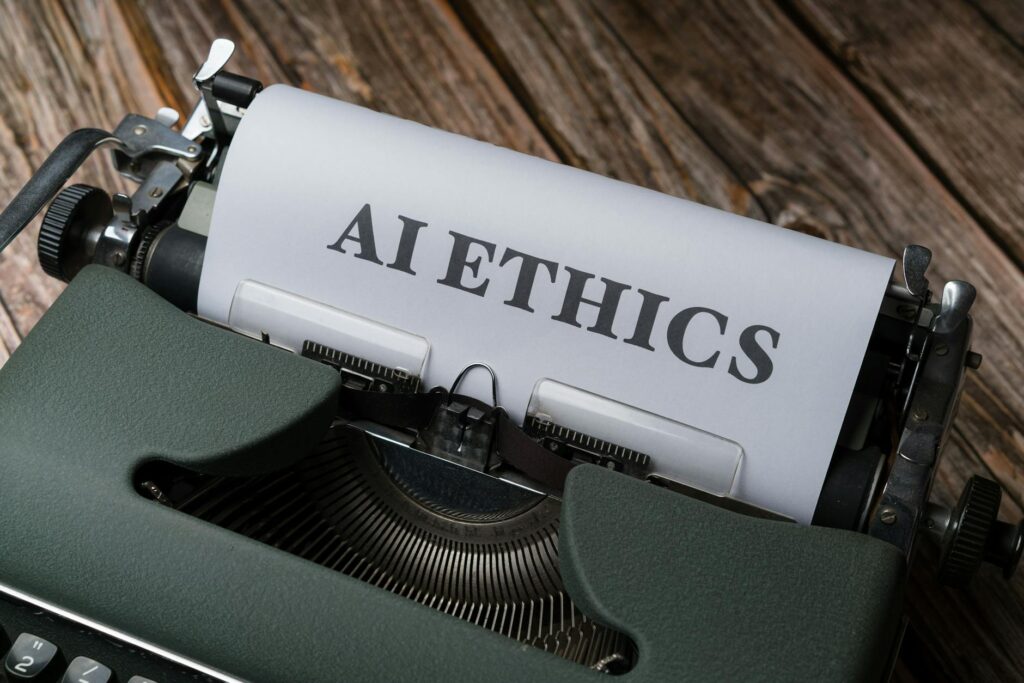
AI Graphics plays a significant role in graphic design, as it enables designers to create complex designs with ease and speed. AI Graphics has also made it possible for designers to automate repetitive tasks, focus on high-level creative decisions, and produce high-quality designs quickly. The use of AI Graphics in graphic design has opened up new avenues for designers to explore and express their creativity.
The role of AI Graphics in graphic design is not limited to automating repetitive tasks, but also includes enabling designers to experiment with different techniques and styles. AI Graphics has made it possible for designers to create unique and innovative designs, such as generative art and neural style transfer. With AI Graphics, designers can now push the boundaries of what is possible and explore new frontiers in graphic design.
- Automating repetitive tasks
- Enabling high-level creative decisions
- Experimenting with different techniques and styles
Benefits of Using AI Graphics
The benefits of using AI Graphics are numerous, and include increased efficiency, improved quality, and enhanced creativity. AI Graphics has enabled designers to automate repetitive tasks, focus on high-level creative decisions, and produce high-quality designs quickly. The use of AI Graphics has also made it possible for designers to experiment with different techniques and styles, and push the boundaries of what is possible.
The benefits of using AI Graphics also include cost savings, as designers can now produce high-quality designs quickly and efficiently. AI Graphics has also made it possible for designers to work on multiple projects simultaneously, and deliver high-quality designs to clients quickly. With AI Graphics, designers can now take their careers to the next level, and achieve their goals with ease and speed.
- Increased efficiency
- Improved quality
- Enhanced creativity
Challenges and Limitations of AI Graphics
Despite the numerous benefits of using AI Graphics, there are also challenges and limitations to consider. One of the main challenges of using AI Graphics is the need for high-quality training data, which can be time-consuming and expensive to obtain. AI Graphics also requires significant computational power, which can be a challenge for designers who do not have access to high-performance computers.
The limitations of AI Graphics also include the lack of human intuition and creativity, which can result in designs that are not innovative or unique. AI Graphics can also be limited by the algorithms and models used, which can result in designs that are not tailored to the specific needs of the client. With AI Graphics, designers must be aware of these challenges and limitations, and take steps to overcome them.
- Need for high-quality training data
- Significant computational power required
- Lack of human intuition and creativity
The Future of AI Graphics in Design

The future of AI Graphics in design is exciting and promising, as new tools and software are emerging every day. AI Graphics is expected to play an increasingly important role in graphic design, as designers continue to push the boundaries of what is possible. The use of AI Graphics is expected to enable designers to create complex designs with ease and speed, and automate repetitive tasks.
The future of AI Graphics in design also includes the integration of AI with other technologies, such as virtual and augmented reality. AI Graphics is expected to enable designers to create immersive and interactive designs, and push the boundaries of what is possible. With AI Graphics, designers can now take their careers to the next level, and achieve their goals with ease and speed.
- Increased use of AI in graphic design
- Integration with other technologies
- Creation of complex and interactive designs
The conclusion of this article is that AI Graphics is a powerful tool that has revolutionized the design industry. AI Graphics has enabled designers to create complex designs with ease and speed, and automate repetitive tasks. The use of AI Graphics has also made it possible for designers to experiment with different techniques and styles, and push the boundaries of what is possible.
In conclusion, AI Graphics is an essential tool for designers who want to take their careers to the next level, and achieve their goals with ease and speed. With AI Graphics, designers can now create innovative and unique designs, and deliver high-quality designs to clients quickly. The future of AI Graphics in design is exciting and promising, and designers who embrace this technology will be well-positioned to succeed in the industry.